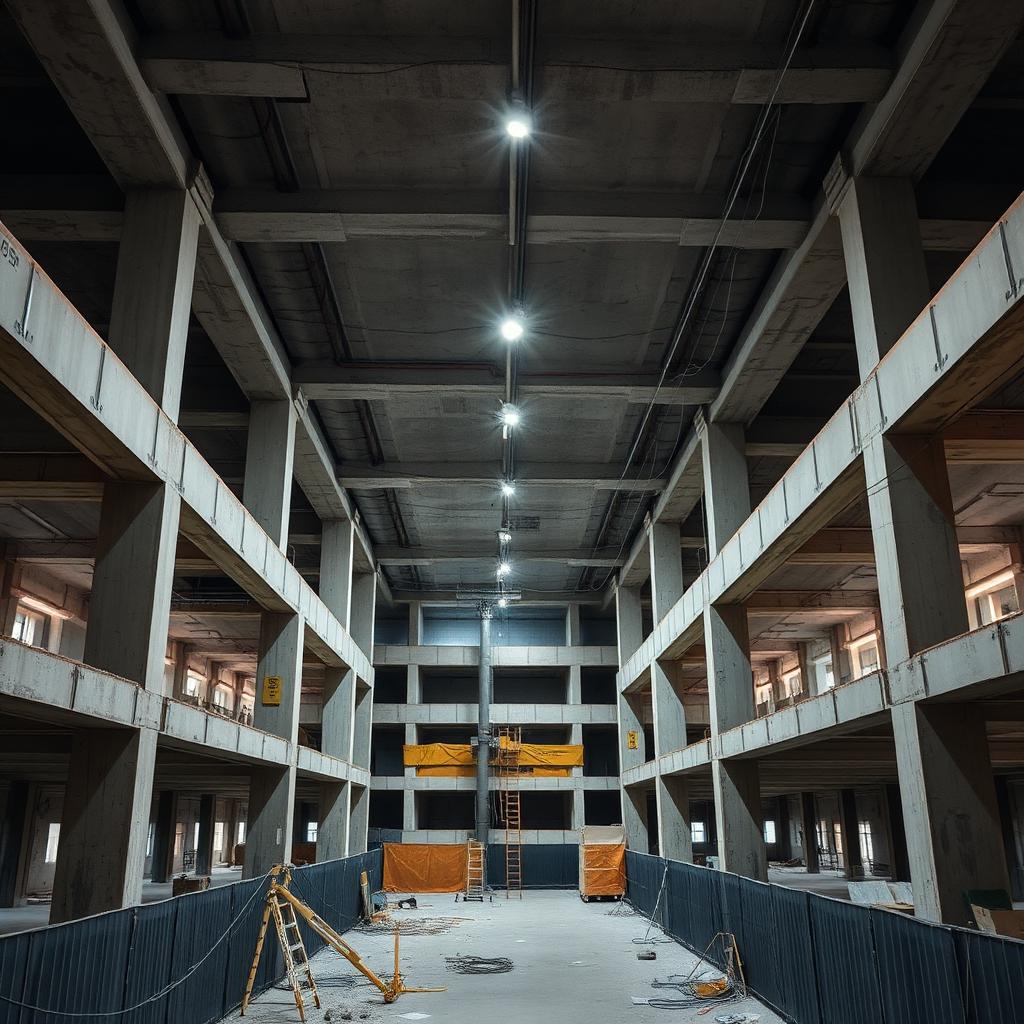
Asbestos remediation for commercial buildings in Ontario
Asbestos remediation is the full job of dealing with asbestos-containing materials in a commercial building: reading the survey, planning the removal, carrying out the work under Ontario's asbestos regulation, confirming the area is clean, and putting the space back together. Sofisa Group Inc. is an Ontario commercial general contractor that runs that whole sequence for owners, property managers and tenants across the GTA. We're WSIB-cleared, carry $5M commercial general liability insurance and work on commercial projects only.
This page covers remediation as one scope. For our abatement overview and city pages, see asbestos abatement in Toronto, Mississauga and the GTA.
What asbestos remediation covers
Removal is one part of remediation, not all of it. A typical commercial remediation scope includes:
- Reviewing the asbestos survey or designated substance report so the scope matches what is actually in the building
- Classifying each task as a Type 1, Type 2 or Type 3 operation under O. Reg. 278/05
- Setting up the work area, enclosures, ventilation and decontamination needed for that type
- Removing, enclosing or encapsulating the asbestos-containing material
- Packaging, labelling and sending asbestos waste for disposal
- Clearance air testing where the regulation requires it, before the enclosure comes down
- Rebuilding: drywall, ceilings, flooring and finishes, so the space is ready for the tenant or the next trade
Because Sofisa also handles drywall, interior demolition and fit-out on the same contract, the rebuild doesn't need a second contractor.
Asbestos remediation contractor: how the work is typed
Ontario's asbestos regulation for construction projects and building repairs, O. Reg. 278/05, sorts asbestos work into three types. The type sets the precautions, not the size of the job alone.
- Type 1 covers lower-risk work, such as removing small amounts of non-friable material by hand without breaking it up. It needs basic precautions and trained workers.
- Type 2 covers moderate-risk work, such as removing ceiling tiles that contain asbestos, or small amounts of friable material. It needs more containment and respiratory protection, and the regulation includes a glove bag procedure for some pipe insulation work.
- Type 3 covers high-risk work, such as removing large amounts of friable material, like spray-applied fireproofing or pipe insulation. It needs full enclosure, negative air, decontamination facilities and clearance air testing before the enclosure is taken down.
A good asbestos remediation contractor types each task from the survey before quoting. That is where most scope disputes start, so we confirm it in writing with the owner's consultant.
Working with asbestos abatement professionals
Remediation on a commercial site involves several parties: the owner, the owner's environmental consultant (who usually writes the survey and specification and runs air monitoring), and the contractor doing the work. Our role is the contractor. We plan the sequence, staff trained workers, follow the specification, keep the site records the regulation requires, and coordinate with the consultant on inspections and clearance.
If you don't have a consultant yet, we can coordinate one for you. Survey and testing work starts with our hazardous building materials assessment.
Before remediation starts: the survey and the owner's list
Under section 30 of Ontario's Occupational Health and Safety Act, the owner has to find out whether designated substances, including asbestos, are present before a project begins and has to prepare a list of them. If the work is tendered, that list goes out with the tender, and prospective constructors must receive it before signing a contract. In practice, you need a current survey before you can get a firm remediation price.
If the survey is old or doesn't cover the areas being disturbed, we'll flag it before pricing rather than after the ceiling is open. See our hazardous building materials assessment for the broader pre-renovation survey.
Remediation in occupied commercial buildings
Many GTA remediation scopes happen in buildings that stay open: offices, retail units, plazas and industrial spaces with neighbouring tenants. We plan the work around them with phasing, after-hours work where the building allows it, sealed work areas, controlled access, and clear communication with property management. Air handling near the work area is isolated as the specification requires.
Clearance, waste and handover
When the removal is done, the work area is cleaned and inspected. For Type 3 work, and for Type 2 work inside an enclosure where the regulation calls for it, clearance air testing must pass before the enclosure is dismantled. O. Reg. 278/05 sets that pass limit at 0.01 fibres per cubic centimetre for each sample. Asbestos waste is packaged, labelled and transported for disposal at a receiving site that accepts it. At handover, the owner gets the records they need for the building file.
Asbestos remediation across the GTA
We take remediation work across Toronto, Mississauga, Brampton, Vaughan, Etobicoke, Oakville and Markham. For city-specific pages, see asbestos remediation in Toronto and commercial asbestos removal in Mississauga.
Remediation often runs on the same contract as interior demolition and commercial renovation, so one contractor carries the space from survey to finished walls.
What to send us for a remediation quote
- The asbestos survey or designated substance report, and any lab results
- Floor plans or a marked-up sketch of the areas being disturbed
- Whether the building will be occupied during the work
- The schedule you're working toward and what follows the remediation
Request an asbestos remediation quote → or call (647) 963-4310.
Asbestos remediation FAQs
What to send us for a remediation quote
The asbestos survey or designated substance report, and any lab results