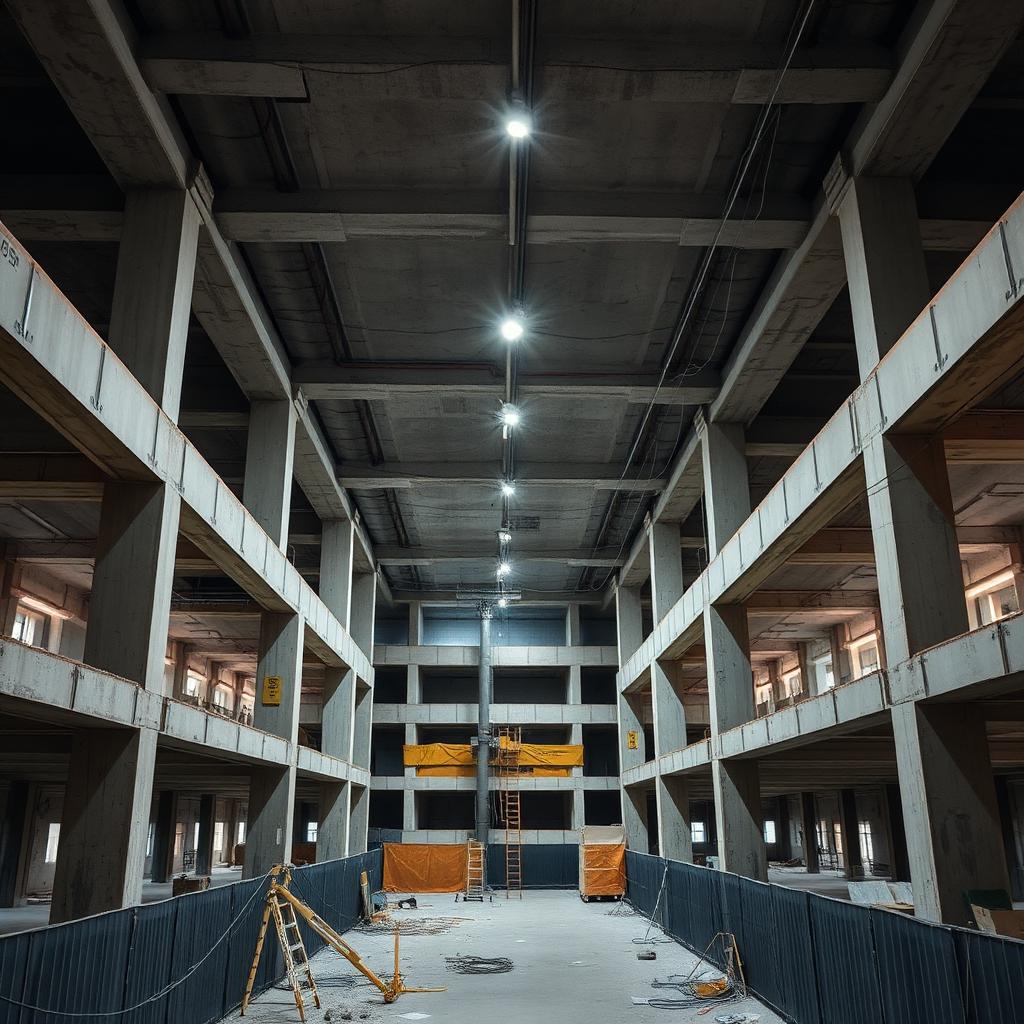
Hazardous building materials assessment before renovation and demolition
Before a commercial renovation, fit-out or demolition starts, you need to know what is in the walls, ceilings, floors and mechanical systems. A hazardous building materials assessment identifies materials such as asbestos, lead and mould so the work can be planned safely and the right abatement can be scheduled first. Sofisa Group Inc. is a WSIB-cleared and insured Ontario commercial general contractor and abatement contractor based in Mississauga. We coordinate the assessment with a qualified assessor and an accredited lab, then carry out the abatement and the construction work that follows.
We are not a laboratory or an independent consultant. The survey and lab results come from qualified third parties; our role is to arrange that work, read it against your scope, and deliver the abatement.
What a hazardous materials survey looks for
An assessment for a commercial building generally looks at:
- Asbestos in drywall joint compound, plaster, floor tiles, ceiling tiles, pipe and duct insulation, and fireproofing
- Lead in paints and coatings, especially on older steel, doors and frames
- Mould where there has been water damage or long-term moisture
- Silica in concrete, masonry and other materials that will be cut or broken
- Mercury in fluorescent lamps, thermostats and switches
- PCBs in older light ballasts and some caulking and coatings
The list of materials depends on the building's age, its history and the work planned. Many of these fall under Ontario's designated substances, which owners are expected to identify before construction work begins. For background on asbestos in older buildings, see asbestos in commercial buildings built before 1990.
Hazmat survey, hazardous materials survey or DSS: one job, different names
The name changes with the province and with whoever wrote the spec. In British Columbia and much of Western Canada, owners ask for a hazardous building materials assessment or a hazmat survey. In Ontario the same need usually appears as a designated substance survey, because the Occupational Health and Safety Act requires the owner to list the designated substances present at a project before seeking tenders. Specifications and lenders sometimes ask for a hazardous materials survey that also covers mould, PCBs or ozone-depleting refrigerants. Whatever the document is called, the question is the same: what is in the areas you are about to disturb? We help match the survey scope to the planned work so nothing in the work area is missed. See designated substances in Ontario.
When you need an assessment
You will typically need a current assessment:
- Before a renovation or tenant fit-out that disturbs walls, ceilings, floors or services. Our blog on the designated substance survey for commercial renovation in Ontario covers this case in more depth.
- Before interior or full demolition. Pre-demolition work usually needs a broader survey, including areas that are hard to reach until demolition starts. See our commercial demolition and interior demolition services.
- After a leak, flood or long-term moisture problem where mould may be hidden behind finishes.
- When an older survey no longer matches the scope, for example when a project expands into new areas.
Confirm requirements for your project; the scope of the survey should match the scope of the work.
When an existing survey is not enough
Many commercial buildings already have an asbestos survey or management plan. It can still fall short for a renovation or demolition. It may cover only accessible areas, pre-date later renovations, or leave out lead, mercury and silica. Demolition usually needs destructive sampling inside walls, ceilings and floors that a management survey never opened. Send us the existing report with your scope, and we'll have the assessor fill the gaps instead of starting over.
How Sofisa coordinates the assessment
- Scope review. We look at the drawings, the planned work and any existing surveys you already have.
- Assessor and sampling. We coordinate a qualified assessor to inspect the areas affected and take samples where needed.
- Lab analysis. Samples go to an accredited lab for analysis.
- Findings into the plan. We review the report against your scope: which materials will be disturbed, which abatement type applies, and how the work should be sequenced.
- Abatement, then construction. We carry out the abatement, then move on to the demolition, fit-out or renovation. Clearance is confirmed by the qualified third party, not by us on our own work.
What the owner receives
- The assessor's report and lab results, which you keep for your records and share with contractors on site
- An abatement scope and sequence tied to the areas being disturbed
- A single schedule covering abatement and the construction work that follows
Because the abatement and the construction are under one contractor, you don't have to manage the handoff between separate trades. If the assessment finds nothing that the planned work will disturb, the report still matters: it documents that the materials were checked, and it gives every contractor on site the same information before they start.
Abatement after the assessment
When asbestos is found, Ontario Reg. 278/05 sets out Type 1, Type 2 and Type 3 operations with different precautions. We perform Type 1–3 asbestos abatement and mould abatement. See our abatement services and our asbestos abatement in Mississauga page for how removal works.
Frequently asked questions
Related resources
Planning a renovation or demolition? Start with the assessment.
Send us your scope and any existing surveys. We'll coordinate the assessment and plan the abatement around your schedule.